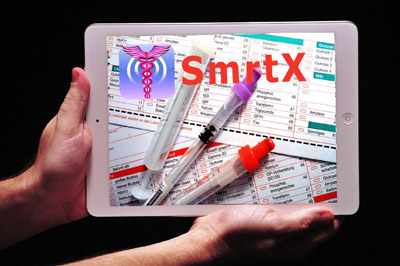
Blood Tests: Importance and Interpretation
Purpose of Blood Tests
Blood tests provide valuable insights into your overall health and well-being. They can:
* Monitor conditions such as cardiovascular disease, diabetes, and infections
* Check organ function (e.g., liver, kidneys)
* Detect nutritional deficiencies
* Assess your response to medications (e.g., warfarin)
Types of Blood Tests
Different types of blood tests are used to evaluate specific aspects of your health:
* Cholesterol and blood glucose tests: Measure levels related to heart and metabolic health
* Troponin test: Detects heart attacks
* BNP test: Aids in diagnosing heart failure
* INR test: Determines the effectiveness of blood thinners
Blood Sample Collection
Blood samples are typically drawn from a vein in your arm. In some cases, a finger prick may be used for quick checks of glucose and cholesterol levels. Children may receive a numbing cream to minimize discomfort.
Interpretation of Results
Blood test results are usually ready within a few days. If any results fall outside normal ranges, your doctor will discuss their significance and recommend further steps, such as:
* Discussing potential underlying conditions
* Requesting additional tests for confirmation
* Prescribing medications or lifestyle changes
Frequency of Blood Tests
The frequency of blood tests varies depending on your health status and individual needs. If you have an ongoing condition, your doctor may order regular tests to monitor your progress.
Understanding Your Results
If you have any questions or concerns about your blood test results, do not hesitate to contact your doctor for clarification. It is important to understand the implications of your results and work with your healthcare provider to address any health concerns.


DDxHub is a concentrator that holds a lot of disease descriptions. It relies on the System knowledgebase to diagnose a health condition.
Differential diagnosis Hub is the System distinguishing of a particular disease or health condition from others.